 Build AI CV
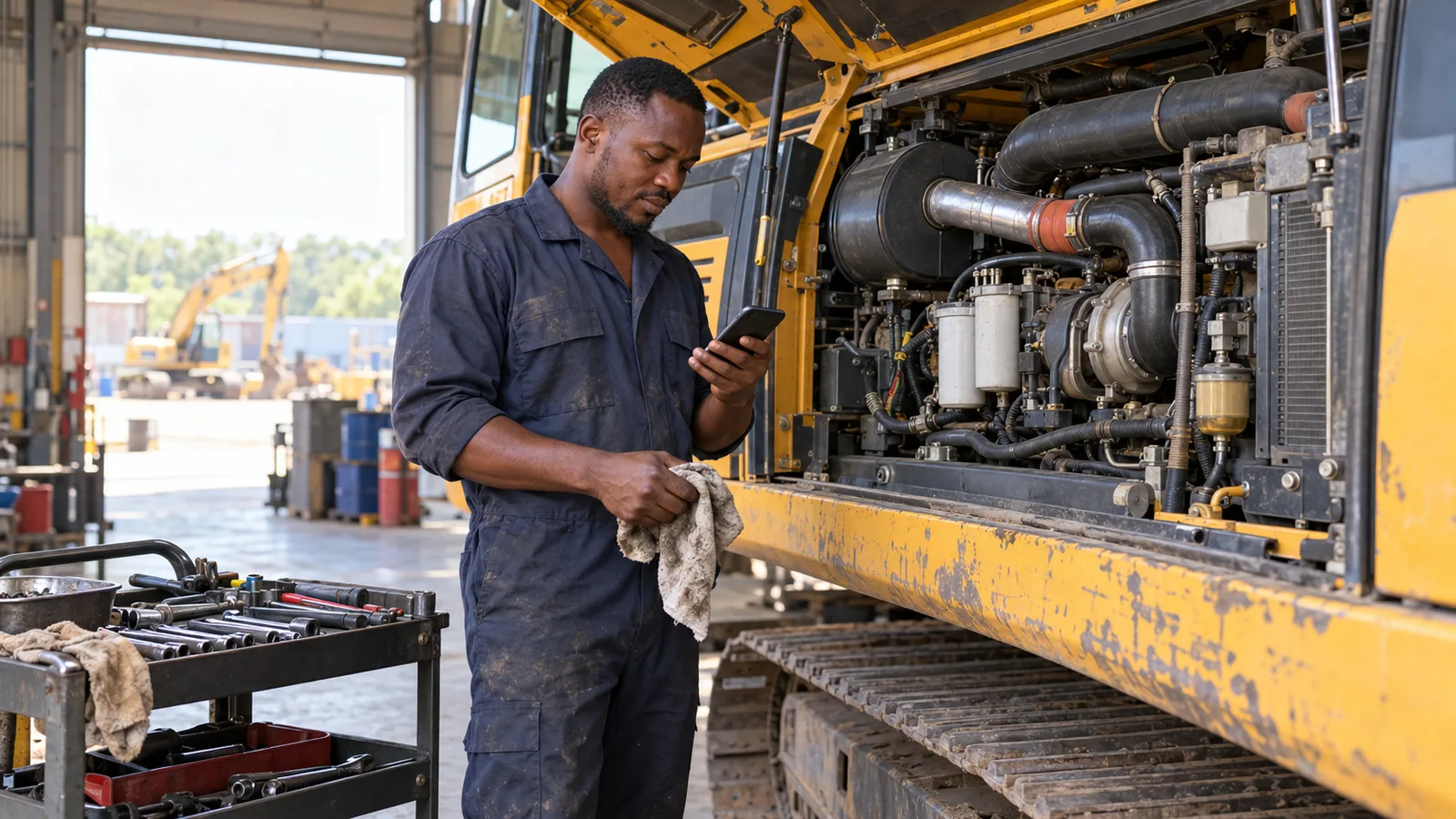
You fix engines that keep mines, farms, freight and civil sites moving, but your resume says "diesel mechanic, general servicing and repairs". So does every other resume in the pile. A workshop manager hiring in Australia wants to know which engines, which brands and which machines you have actually worked on, and if your resume does not tell them in the first half page, you may lose the interview to someone who did. This guide shows you exactly what to list, where to put it and how to word it.
It covers on-highway trucks, earthmoving and mining plant, agricultural machinery and generators, so you can pick the parts that match the job you want next.
Why a generic diesel mechanic resume gets skipped
Heavy-duty work is not one job. A mechanic who has spent six years on prime movers and trailers is a different hire from one who has rebuilt final drives on dozers at a quarry. Both are good, but a fleet workshop and a mine site are looking for different things.
When a resume only says "maintained and repaired diesel engines", the reader has to guess:
- Which equipment? Trucks, buses, excavators, loaders, haul trucks, tractors, headers, gensets or marine engines.
- Which brands? Employers often run one or two makes across a fleet and want someone who already knows them.
- Which systems? Engines only, or also hydraulics, transmissions, brakes, electrical and diagnostics.
- Workshop or field? Field service work means working alone, on remote sites, with a service truck, and that is a different skill set.
A busy reader who has to guess will usually move on. Your job is to remove the guessing.
What to list: engines, brands, machines and systems
Think of your resume as a parts list of your own experience. The more specific it is, the faster a reader can match you to their fleet.
Equipment types
Group the machines you have worked on by type. Keep it to what you have genuinely serviced or repaired, not what was parked in the yard.
- On-highway: prime movers, rigid trucks, tippers, buses, coaches, trailers
- Earthmoving and mining: excavators, wheel loaders, dozers, graders, haul trucks, drill rigs
- Agricultural: tractors, harvesters, sprayers, balers
- Stationary and other: generators, pumps, compressors, forklifts, marine engines
Engine and machine brands
List the makes you know well, and be honest about depth. "Major services and in-frame rebuilds on two brands" says more than a list of twelve names you have only seen once. If you worked on a particular engine series or a machine model range, name it. Workshop managers recognise those details straight away.
Systems and diagnostics
Say which systems you can repair, not just service: fuel systems and injectors, turbochargers, cooling, hydraulics, transmissions and final drives, air brakes, electrical and auto-electrical faults, after-treatment systems. Name the diagnostic laptops and software you have used, and whether you can read and act on fault codes yourself.
Licences, tickets and qualifications
In Australia, employers will look for your trade qualification, your driver licence class, and any tickets the job needs, such as a forklift licence, working at heights, confined space or a site induction card. Put licence numbers and expiry dates where they help. If you trained overseas and have had your skills assessed, show the outcome clearly; the guide to showing a skills assessment on your resume explains where it belongs so it is not buried on page 2.
How to write duties that show real work
Duties are where most diesel mechanic resumes go flat. "Responsible for servicing" tells the reader nothing. A good duty line has three parts: the task, the equipment, and a result or scale.
Weak lines and stronger versions
Example (weak): Performed maintenance on heavy vehicles.
Example (stronger): Carried out scheduled services and brake overhauls on a fleet of 40 prime movers and trailers, keeping vehicles on the road between interstate runs.
Example (weak): Repaired earthmoving equipment.
Example (stronger): Diagnosed and repaired hydraulic and engine faults on 20 to 35 tonne excavators and wheel loaders in the field, working alone from a fully equipped service truck.
Example (weak): Worked on engines.
Example (stronger): Completed in-frame engine rebuilds, including liners, pistons and bearings, and set up injectors and valve clearances to manufacturer specifications.
Only use numbers you can stand behind at interview. If you do not know the exact fleet size, say "a mixed fleet of trucks and trailers" instead of guessing.
Show safety and paperwork too
Heavy-duty workshops run on procedures. One or two lines about isolation and lock-out, pre-start checks, service records, job cards and parts ordering show you can be trusted on a busy site. Keep them short and specific.
A layout that puts your trade detail first
The order of the page matters as much as the words. For a diesel mechanic resume in Australia, this order works well:
- Contact details and location, plus your work rights if you are on a visa or applying from overseas.
- A short career profile of two or three lines: your trade, years of experience, main equipment and the kind of role you want.
- A trade snapshot with equipment types, brands, systems and diagnostic tools.
- Licences and tickets, with numbers or expiry dates where useful.
- Work experience, most recent first, with specific duty lines.
- Qualifications and training, including manufacturer courses.
- Referees or "available on request", depending on what the ad asks for.
Two pages is usually enough. If you have a long career, keep full detail for the last ten years and summarise earlier jobs in a line or two each.
Example career profile
Example: Qualified heavy-duty diesel mechanic with nine years on earthmoving plant and haul trucks across two mine sites and a civil contractor. Strong on engine, hydraulic and driveline diagnostics, field service from a service truck, and planned maintenance on a mixed fleet. Holding a heavy rigid licence and seeking a FIFO or residential maintenance role in Western Australia.
The person, sites and numbers here are an example. Write your own profile from your real work.
Using Build AI CV for a diesel mechanic resume
Build AI CV has fields to list vehicle, heavy vehicle, bus and HVAC brands, heavy machinery and machine types, and the tools and software you have used. The Technical / Trades template shows them in a snapshot panel near the top of the page, which is the trade snapshot described above. It is a Pro template, so downloading a resume in it needs an active Pro Pass; you can preview it first on the Technical / Trades template page.
If you want to see how a finished workshop resume reads, the automotive technician CV example is the closest one, with sample duties and skills you can adapt for heavy vehicles and plant.
Matching your resume to each job ad
A mine site ad and a truck dealership ad will ask for different things. Read each ad and note the equipment, brands and tickets it names, then make sure the true ones appear on your resume in the same words. The ATS check against a job ad compares your resume with the ad and lists keywords found and missing. It is a guide, not a guarantee, and you should only add a missing keyword if it is true for you.
A quick checklist before you send it
- Your trade and main equipment are clear in the first three lines.
- Brands, machine types and systems are listed, with honest depth.
- Every licence and ticket the ad asks for is visible, with expiry dates where they help.
- Duty lines name the equipment and the scale of the work.
- Field or workshop experience is stated plainly.
- Work rights are stated if you are on a visa or overseas.
- The resume is two pages or close to it, saved as a PDF.
When you are ready, you can start a resume in the Technical / Trades template and fill in the trade details step by step.
Frequently asked questions
Should I call it a resume or a CV in Australia?
Both words are used in Australia and employers understand either. "Resume" is common in job ads, so many people use it on the document as well.
How many brands should a diesel mechanic list?
List the ones you have genuinely worked on, and show which ones you know best. A short, honest list is more useful to a workshop manager than a long one you cannot back up at interview.
Do I need a separate resume for mining and trucking jobs?
It helps. Keep one master version, then make a copy for each type of role that leads with the equipment and tickets that job asks for.
Should I include manufacturer training courses?
Yes, if they are relevant to the role. Put them under qualifications and training with the year, and name the equipment the course covered.


